


Main Course
German Sauerbraten (Pot Roast)
Prep15 min
Cook150 min
Total165 min
Serves2
SkillEasy
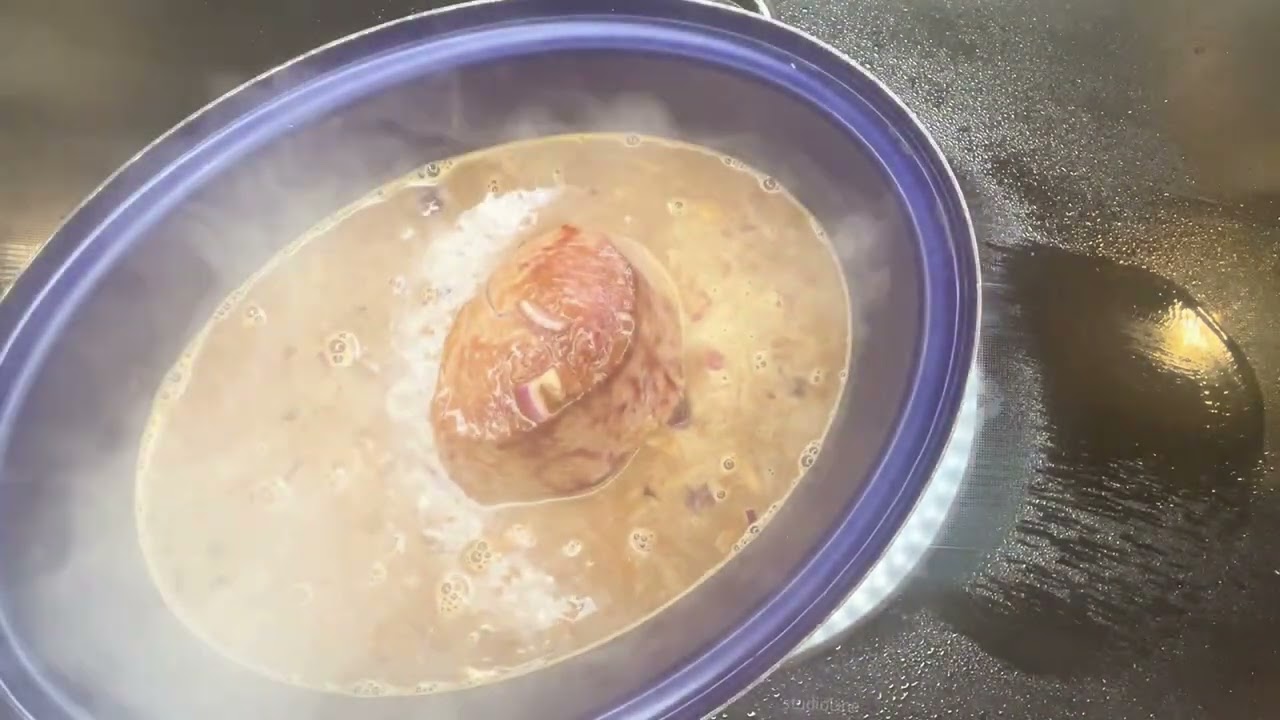
"In our home in Munich, nothing brings my husband and three children to the dinner table faster than the rich, comforting aroma of a traditional Sunday pot roast. This recipe is a page straight out of my weekly family notebook—tender, slow-simmered Sauerbraten paired with pillowy potato dumplings and perfectly sweet-and-sour red cabbage. I’ve recorded this short video tutorial to show you exactly how I cook it for my own family, using the authentic imported staples from our shop. Follow along, use these exact ingredients, and your kitchen will smell—and taste—just like a cozy home in Bavaria tonight."
Watch how it's made
Free downloads
Get this recipe to keep — the video, ingredient list and written recipe, free of charge.
Download them all hereShop the ingredients
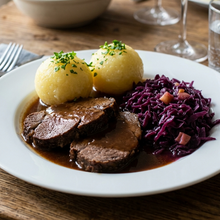
German Sauerbraten - Cooking Bundle + Free Video Tutorial
$13.99
Or add the ingredients individually
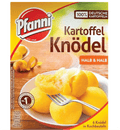
Pfanni Kartoffelknödel
$7.29
Ingredients
- 1 pack Pfanni Potato Dumplings (Kartoffelklöße)
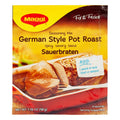
- 1 Maggi Sauerbraten Pot Roast Mix
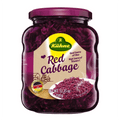
- 1 jar Kühne Red Cabbage (Rotkohl)
- 1 lb beef chuck roast
- 3/4 cup water
- 1/2 tsp salt
- 1–2 cloves (optional)
- 1–2 bay leaves (optional)
Step by Step Instructions
Task 1: Cut Onions
- The "Claw Grip": Tuck your fingertips inward and use your knuckles to guide the knife to protect your fingers.
- Keep the Root Intact: Leave the hairy root end attached while cutting; it holds the layers together so the onion doesn't slide around.
- Dice into Uniform Cubes: Make parallel vertical slices followed by horizontal cuts to create even cubes. Uniform size ensures the onions cook evenly and melt perfectly into your sauce.
Task 2: Searing & Oven Prep
- Prep & Heat: Pat the meat thoroughly dry. Heat in a heavy pot over medium-high heat.
- Searing & Onions: Sear the meat on all sides. When turning the meat to sear the third side, add the diced onions to the pot to brown them simultaneously.
- Add Liquid & Seasoning: Once the meat is fully browned, pour in 34 of a cup of water. Whisk in the Maggi Fix until fully combined and bring to a brief simmer.
- Deglazing: While the liquid heats up, scrape the bottom of the pot with a spatula to release the flavorful browned bits (fond).
- Transfer: Carefully transfer the meat and the sauce into a roasting pan
- Oven Braising: Place the covered roasting pan in the oven preheated to 400°F. Braise for 2.5 to 3 hours until the meat is fork-tender.
Task 3: Cook Knödel
- Prep & Boil: Place the cooking bags in a pot of cold, salted water, ensuring they are loosely arranged. Bring the water to a boil over high heat and let it boil briefly.
- Simmer: Reduce the heat and let the dumplings simmer (soak) for 10-15 minutes. Do not keep the water at a rolling boil during this time.
- Serve: Remove the bags from the water and individually cut them open with scissors to release the dumplings.
Task 4: Heat Red Cabbage
- Heat: Pour the red cabbage into a pot and set it over medium heat.
- Aroma (Optional): Add bay leaves and cloves to infuse the cabbage with a deeper, richer flavor.
- Serving: Stir occasionally until thoroughly heated and ready to serve.
Task 5: Plate Up & Guten Appetit!
- Prep: Remove the bay leaves and cloves from the sauce, and take out the meat to slice it-their job is done!
- Plate: Arrange the sliced Sauerbraten next to the dumplings and generously ladle the rich gravy over the meat so it can be soaked up by the dumplings.
- Balance: Place the red cabbage as a separate, colorful accent on the plate to keep its bright acidity from mixing too early with the savory gravy.
- Pro Tip: Use pre-warmed plates to keep the meal hot, as the dumplings and cabbage can cool down quickly once served.
Frequently asked questions
What is Sauerbraten?
Sauerbraten is a traditional German pot roast — beef marinated in a sour blend of vinegar, wine and spices, then slowly braised until tender and served in a rich sweet-and-sour gravy. It is considered one of Germany's national dishes.
How long does Sauerbraten need to marinate?
Traditionally the beef marinates for three to five days to develop its signature tang. Using a ready Sauerbraten mix, as in this recipe, gives you that authentic sweet-sour flavour without the long wait.
What cut of beef is best for Sauerbraten?
A well-marbled braising cut works best — beef chuck, bottom round or rump. These become meltingly tender over slow, moist cooking, which lean cuts cannot match.
What do you serve with Sauerbraten?
The classic pairing is potato dumplings (Kartoffelklöße) and sweet-and-sour red cabbage, which soak up the rich gravy. Spätzle or boiled potatoes also work well.

Cook the dish!
Get everything you need for this meal - delivered to you with just one click.

